Contents
Scroll to:
EDN: VDAJCI
Scroll to:
This article examines passages from George of Pisidia’s Hexaemeron (7th century) as they appear in the Commentary on the Book of Psalms by the Armenian exegete Nersēs Lambronatsʻi (1153–1198), one of the leading figures of medieval Armenian scholarship. The study aims to determine whether Nersēs Lambronatsʻi used the Greek original or the Armenian translation of the poem and to analyse his method of integrating these sources into his exegetical practice. The research is based on the fully preserved 13th-century manuscript 1526 from the Matenadaran, Yerevan, which represents a major example of Armenian palaeography and contains a complete, previously unpublished commentary on the Psalms. A textual and palaeographic analysis demonstrates that Nersēs Lambronatsʻi consistently relied on the Armenian translation of the Hexaemeron. The commentary incorporates direct quotations, paraphrases, and distinctive narrative and imagistic elements absent from the Greek original. This reliance is particularly evident in the interpretation of Psalm 135, where literal and allegorical exegeses are intertwined, integrating the translated text with patristic sources. Nersēs Lambronatsʻi creatively reworks the translation, preserving its semantic and stylistic framework while adding his own exegetical commentary. Based on several examples, it is shown that Nersēs Lambronatsʻi used not the Greek original but the Armenian translation of the poem — specifically the complete translation, rather than the later abridged version that has come down to us in the Venetian manuscript. These findings demonstrate the systematic use of the Armenian translation of George of Pisidia’s Hexaemeron in Nersēs Lambronatsʻi’s commentary, highlighting both direct quotations and nuanced paraphrases. By examining lexical choices, narrative motifs, and imagery, the study shows that Nersēs Lambronatsʻi creatively integrated his Byzantine source into the Armenian exegetical tradition. This analysis not only clarifies the author’s textual method but also sheds light on broader patterns of Byzantine–Armenian literary transmission, contributing to our understanding of the interaction between translated texts and native exegetical practices in medieval Armenia.
Saribekyan E.H. Excerpts from the Hexaemeron of George of Pisidia in Nersēs Lambronatsʻi’s Commentary on the Book of Psalms. Shagi / Steps. 2026;12(1):280-294. EDN: VDAJCI
Numerous exegetic, rhetorical, legal, and canonical works have come down to us under the name of Nersēs Lambronatsʻi1. We draw information about Nersēs Lambronatsʻi from the colophons of his works and those of his students. Father Ghevond Alishan [1885], Bishop Smbat Saatētʻean [2014]2, Father Garegin Zarbhanalean [1897], Father Nersēs Akinean [1956], and Grigor Hakobyan [1971] have reflected on his life and work. One of Nersēs Lambronatsʻi’s colophons mentions that he was equally fluent in Armenian and Greek. According to some sources, he also had a good knowledge of Hebrew, Syriac, Latin, French, and probably Coptic, as well as numerous canonical laws and writings.
Nersēs Lambronatsʻi became acquainted with and studied many manuscripts in the monasteries of Black Mountain [Akinean 1956: 131–142]. The commentary on the Book of Psalms that will be discussed further on was compiled in 1182. Explanations of some psalms are also found in his commentary on the Divine Liturgy [Nersēs Lambronatsʻi 1847].
Some authors mention that Nersēs Lambronatsʻi also composed a commentary on the Book of Genesis [Alishan 1874: 2423; 1885: 90; Zarbhanalean 1897: 657; Hakobyan 1971: 330, 342–343]. Since no fragmentary examples of this work have survived, this is probably the reason some scholars believe that he commented on Genesis orally [Akinean 1956: 236; Hakobyan 1971: 342]. Nevertheless, in his commentary on the Book of Psalms Nersēs Lambronatsʻi repeatedly used excerpts from commentaries on Genesis by Church Fathers. Thus, we should give preference to the works and colophons written by Nersēs Lambronatsʻi’s contemporaries and disciples, to the testimony of historian Step‘anos Orbelean (13th century), and to other historical data, according to which Nersēs Lambronatsʻi wrote commentaries on the Books of Genesis, Daniel and Job.
The oldest copy of Nersēs Lambronatsʻi’s Commentary on the Book of Psalms of David is kept in the St. Lazzaro Library in Venice [Chemchemean 1996: 871–876]. For our research, we used manuscript 1526 from Matenadaran, Yerevan (1293–1294, place: Yovhannavank‘, scribe: Priest Yerets‘, comissioner: Hamazasp Mamikonean, Bishop of Yovhannavank‘, material: paper, dimensions: 50 × 33.5cm, 907 p.)4. At times, it has been compared with MS M3796.
In the passages under consideration, no misreadings are attested. This is the reason why we have used the earliest manuscript of the Matenadaran. After the prologue, the scribe left more than half of the second column blank, which was later filled by Vardan Vardapet Baghishetsʻi with a depiction of David playing the lyre (fig. 1). MS M1526 is one of the finest examples of Armenian paleography, written in cursive script with uncial letters (mixed erkat‘agir-bolorgir) [Stone et al. 2002: 320], and the oldest surviving complete commentary сomposed in the Armenian language. From its colophons, we learn that Nersēs Lambronatsʻi had a habit of visiting the Saghru Monastery5 on Sundays, where he often explained difficult passages from the Psalms to the Brotherhood members. During that period, at the request of his teacher Yovhannes of Lambron acting in the Saghru Monastery, Nersēs Lambronatsʻi wrote a commentary on the Psalms [Saatētʻean 2014: 112; Akinean 1956: 27, 135]. The sources for his commentary6 are the works of Philo of Alexandria, Cappadocian Fathers, Dionysius the Areopagite, and Cyril of Alexandria [Akinean 1956: 75–77]. He also refers to the lives of the Egyptian Fathers.
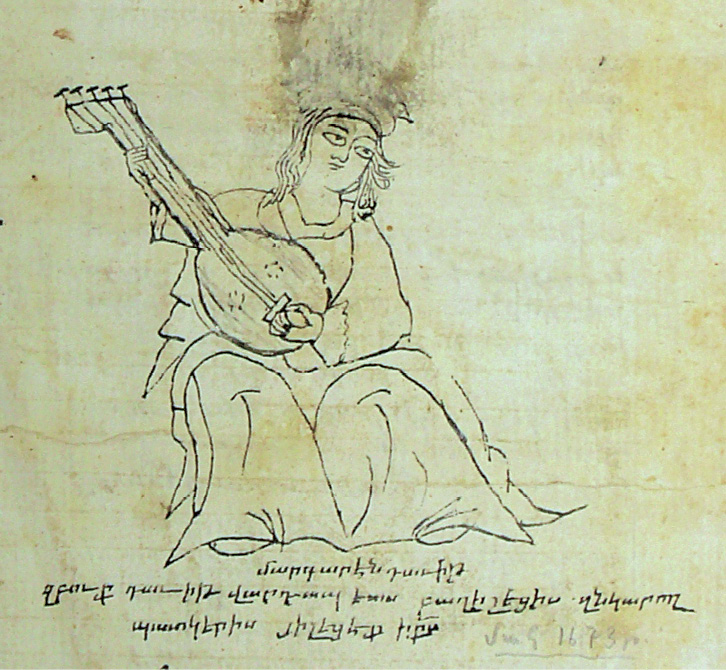
Fig. 1. MS M3796 (Nersēs Lambronatsʻi’s Commentary on the Book of Psalms), fol. 4v.
The Prophet David depicted by the 17th-century Armenian chronicler David Vardapet Baghishets‘i
When studying medieval works, especially those of a theological nature, several circumstances should be taken into account. It should come as no surprise that the most important doctrinal tenets of the church may be repeated in the same form by authors of different centuries. This is natural, since the Armenian Apostolic Holy Church has preserved and transmitted its doctrine unchanged for two millennia. Alongside the purely theological content, those works contain numerous philosophical, cosmological, natural scientific, historical, geographical, lexicological, and other teachings. It is also important to consider the fact that science (secular and spiritual) developed within the Church, under the patronage of the Church, and through the clergy. Given all this, it is quite natural that one can detect the influence of early medieval exegetes, which has come down to us in the works of authors of later centuries. One of the most striking proofs of the above is Nersēs Lambronatsʻi’s complete commentary on the Book of Psalms.
The date of the Armenian translation of Hexaemeron, a poem by the 7th-century Byzantine author Georges of Pisidia, is debatable: scholars’ opinions vary between the 7th and 10thcenturies [Tashean 1901: 321–326]. The reception of this work in Armenian exegetical literature has not yet been sufficiently studied. In their commentaries on the Six-Day Creation, Armenian authors mainly used the Armenian translations of the writings by Philo of Alexandria, Basil of Caesarea, John Chrysostom, and Ephrem the Syrian. Before the time of Nersēs Lambronatsʻi, there existed commentaries on the Book of Genesis by Yeghishe (5th century), Step‘anos Syunets‘i (8th century), Archimandrite Timot‘eos (10th century), and Priest David (10th century), which, along with the works of other Church Fathers, were used by Vardan Arevelts‘i (c. 1198–1271) in his commentary (catena) on the Book of Genesis (MSs M7452, M2604). Vardan Arevelts‘i also cited the Armenian translation of George of Pisidia’s Hexaemeron as indicated by the author’s notes in the margins of the manuscripts (figs. 2, 3).
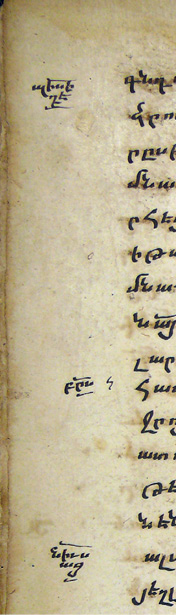
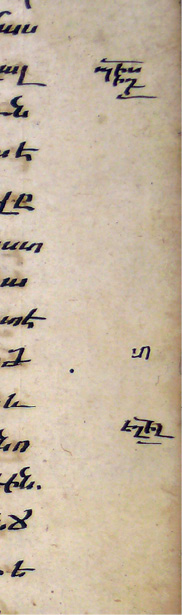
Fig. 2. MS M7452, fol. 8v. A passage | Fig. 3. MS M7452, fol. 27r. A passage |
In these two images, we observe the manner in which the names of the authors of cited passages are indicated next to the quotations. In the first image, the names of George of Pisidia, Basil the Great, and Gregory of Nyssa are recorded, while in the second image the names of George of Pisidia and the 5th-century Armenian author Yeghishe appear.
Nersēs Lambronatsʻi’s commentary on the Psalms is structured in a manner typical of the Armenian exegetical tradition: first he quotes a Biblical verse and then interprets it, intertwining his words with the thoughts of various exegetes. In the manuscript we used, quotations from the Bible (fig. 4) and from the works of commentators are marked with distinctive symbols in the margins. The commentary mixes both literal and allegorical methods of interpretation, with the latter prevailing. In the commentary on Psalm 135 presented below, particular attention is drawn to the passage marked with small circle signs (fig. 5). During the course of our research, we determined that either the author or later scribes marked with these signs the beginning and end of the quoted or paraphrased passage from George of Pisidia’s work.
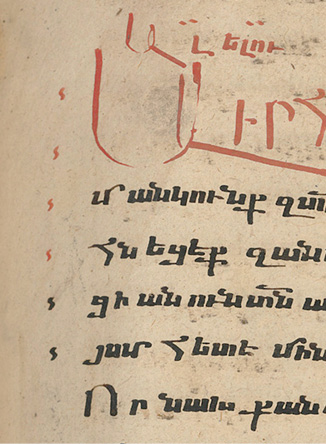
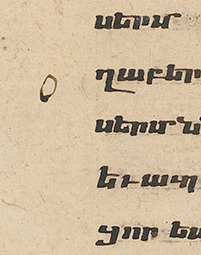
Fig. 4. MS M1526, fol. 643r. An excerpt | Fig. 5. MS M1526, fol. 638v. The other symbol — the small circle — indicates passages quoted from the works of Church Fathers. However, this marker does not appear alongside all such quotations |
Let us consider several examples that highlight Nersēs Lambronatsʻi’s familiarity with George of Pisidia’s Hexaemeron. As we have already mentioned, Nersēs Lambronatsʻi had an excellent knowledge of Greek7; thus, it is necessary to determine whether he used the original Greek text of George of Pisidia’s work or some version of the Armenian translation. In various parts of his commentary, Nersēs Lambronatsʻi discusses the creative nature of God and the perfection of creation, mentioning the changing seasons, the celestial bodies, the plant and the animal world8. Commenting on Psalm 104: 28, “That thou givest them they gather: Thou openest thine hand, they are filled with good”, he gives the example of a bird to whom God provides food in the mouth of a ferocious beast. When an amphibious crocodile comes ashore and sleeps with its mouth open, a small bird feeds on the remains of meat left between its teeth.
What Armenian sources could Nersēs Lambronatsʻi have used when talking about the crocodile? Since the name of Philo is mentioned several times in various parts of his commentary on the Psalms, it is quite likely that Nersēs Lambronatsʻi referred to his works. However, Philo only says that the crocodile is a cannibal and an amphibian:
Քանզի մարդակերն և գազանաց չարագոյնն՝ կոկորդելոսն (For the most ferocious of cannibals and beasts is the crocodile; De prov. fr. 2, 65 Colson) [Awgerean 1822: 116].
ՅԵգիպտոս կոկորդելոսն՝ մարդակեր կենդանին և երկակենցաղ (In Egypt, the crocodile is a man-eating animal that lives on land and in water; De anim. 50) [Ibid.: 150].
Comparing this account with Basil the Great’s Hexaemeron, we see that Basil mentions the crocodile only in passing, in the list of amphibians (7, 1):
Եւ թէպէտ գոն ի մէջ ջուրցն զեռունք, որ ունիցին ոտս եւ գնացս, եւ ցամաքի անասնոց նման իցեն, իբրեւ զփոկս եւ զկոկորդիլոսս, եւ զձիս ջուրց եւ գորտս, եւ խեցգետինս (And although there are creatures in the water that have legs and walk, and resemble land animals, such as seals and crocodiles, sea horses, frogs, and crabs…) [Muradyan 1984: 219].
The Armenian translation of Physiologus (ch. 25 of the first redaction) says that crocodiles sleep with their mouths open on land: “When a crocodile sleeps, its mouth is open” [Muradyan 2005: 147]; then Physiologus proceeds with the tale about some animal (ἡ ἔνυδρος) which climbs into the mouth of a sleeping crocodile and kills it. Nersēs Lambronatsʻi not only relates that the crocodile is an amphibian, as Philo and Basil do, and that it sleeps with its mouth open on land, as it is recorded in Physiologus, but also mentions the bird that feeds on the meat left in the crocodile’s teeth. Of course, the story of the “friendship” between the crocodile and the small bird (usually called τροχίλος) has been told by many Greek authors whose works have not been translated into Armenian (from Herodotus to Timotheus of Gaza; for a list, see [Arnott 2007: 361]). However, numerous textual parallels show that Nersēs Lambronatsʻi is based precisely on Hexaemeron, and not on the Greek original, but on the Armenian translation. George of Pisidia, like a number of his predecessors, combines two stories: one about a cunning animal that kills the crocodile by climbing into its mouth, and another about a bird that not only pecks food scraps from the crocodile’s teeth, but also wakes it at the moment of danger, saving its life. Nersēs Lambronatsʻi uses only the tale about the caring bird, but his dependence on the Armenian version of Hexaemeron is undeniable.
George of Pisidia’sHexaemeron, v. 967 sq. [Gonnelli 1998: 180–182] | Armenian translation, | Nersēs Lambronatsʻi, |
Καὶ μικρὸς ὕλλος ὑγροχέρσῳ θηρίῳ φθορὰν ἐφιστᾷ τῇ τομῇ τῶν ἡπάτων· λάθρα γάρ αὐτῷ προσβαλὼν κεχηνότι, διατρέχει τὰ σπλάγχνα σωλῆνος δίκην, τεμὼν δέ κρυπτὴν ἐξ ὀπισθίου θύραν φονεὺς διαδρὰς οἴχεται σεσωσμένος. Ἄλλη δὲ τις πέφυκεν ὀρνέου φύσις, ἥ τοὺς ὀδόντας βόσκεται τοῦ θηρίου καὶ τοῖς περιττοῖς ἑστιᾶται λειψάνοις… | Եւ փոքրիկն հիւղոս զերկակեցիկ գազանն կրոկողիդոս՝ ապականէ, կոտորեալ զաղիսն, քանզի ի քուն գոլով բաց ունի զբերանն ուտէ զաղիսն և որպէս ընդ խողովակ ընդ նստոյն տեղին արտաքս ելանէ ողջ։ Իսկ այլ հաւ իմն բնաւորեալ (որում անուն է տրոքիղոս) սա կերակրի ի մնացեալ մսոյ յատամունս գազանին… | վասն զի կոկորդեղոս գազան գոլով ծովային և ցամաքա[յ]ին երկակենցաղ, ելանէ ի ցամաք և ննջէ և է ստեղծուած նորա, զի ի ննջելն բանի բերանն, իսկ ոմն ի թռչնոց զայն ունի իւր սահմանեալ կերակուր յԱստուծոյ, զի ի ննջելն գայ մտանէ ի բերանն և ի մնացուածոյ յատամունսն մսոյն կերակրի… |
The Armenian translation of Hexaemeron has come down to us in the complete version represented by the manuscripts A (Bzommar, 1701)9, C (Antelias, 1307), Y (Yerevan, 1853–1854)10 and in excerpts preserved in the Venetian manuscript M (13th–14th c.). Since the passage about the crocodile is absent from M, we can be sure that Nersēs Lambronatsʻi was familiar with the full text of the translation.
Among many other evident parallels, it is worth noting that Nersēs Lambronatsʻi uses the word “meat” (միս), which is absent in the Greek original of Hexaemeron but present in the Armenian translation. Let us also focus on the word “crocodile”, which also does not appear in the Greek original (the poet prefers the paraphrase “the amphibious beast”), but stands in the Armenian translation (in the variants կրոկոդիղոս11 = crocodighos and կոկորդիղոս = cocordighos; Nersēs Lambronatsʻi’s text has կոկորդեղոս = cocordeghos). In some Greek manuscripts of Hexaemeron, there are small subheadings, written mainly in the margins; in the above-mentioned passage, several of them have margin titles such as περὶ τοῦ ὑγροχέρσου θερίου τοῦ κροκοδήλου [sic] [Gonnelli 1998: 180]. In the Armenian translation, this marginal heading served as the source of a gloss that found its way into the text. It is interesting that in manuscript
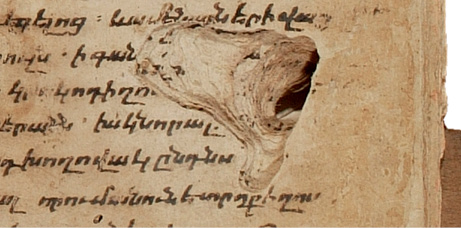
C of the translation (fig. 7), in the passage about the crocodile, one can discern some marginalia which, unfortunately, are not very clearly visible due to damage to the manuscript. It is presumably written “on the crocodighos” or “...crocodighos” (fig. 6).
Fig. 6. Antelias 20, fol. 119r. The passage on the crocodile from the Antelias manuscript of Hexaemeron (C), in which an illegible heading is highlighted in the margin |
Fig. 7. Antelias 20, fol. 120r. A fragment of marginal headings from C |
The passage we have analysed is by no means unique: Nersēs Lambronatsʻi’s commentary provides many direct and paraphrased quotations from George of Pisidia’s work. In particular, the commentary on Psalm 135 contains a large excerpt from Hexaemeron, where words, phrases, and even sentences coincide with the Armenian translation.
| George of Pisidia’s Hexaemeron, v. 134–137, 139–140, 225–226, 235, 239–271, 196–197, 358–361 [Gonnelli 1998: 124, 130, 132, 134, 128, 140] | Armenian translation, v. 135–138, 140–141, 228–229, 238, 242–274, 199–200, 365–368 [Tiroyean 1900: 26, 36-40] | Nersēs Lambronatsʻi, On Psalms, MS Μ1526, fol. 792v–793v |
στολίζεται δὲ τὸν χιτῶνα τὸν μέγαν, τόν ἀέρα κλωσθέντα κερκίδι ξένῃ· χυτόν διαυγῆ λεπτὸν ἠραιωμένον, εἰς πᾶσαν εἰσδύνοντα σωματουργίαν. λαβὼν διαυγεῖς μαργαρίτας ἀστέρας· ἔχει δὲ πρὸς τὰ στέρνα λυχνίτην ἓνα ‹…› ἀρκεῖ δὲ πᾶσι τῇ βοπῇ τῆς ἀτμίδος, φθάνει δὲ μὲχρι τοῦ βυθοῦ τῶν τερμάτων ‹…› τοῖς ἀνθελιγμοῖς συγκρατεῖται τοῦ τάχους ‹…› Ὧ τὴν ἀμυδρὰν τῆς σελήνης λαμπάδα ἐκ τοῦ πυραυγοῦς ζωπυρώσας ἡλίου. κιχρᾷς γὰρ αὐτῇ γλαυκὸν ἐξ αὐτοῦ σέλας οὐκ οἶδα πῶς λέγουσιν, ἀλλ’ ὅμως τάχα οὐχ ὡς δεηθεὶς φαύσεως ἀλλοτρίας, – τὸ φῶς γὰρ αὐτὸς καὶ πρὸ ἡλίου βρύεις –, ἀλλ’ ὥστε ῥυθμὸν ἐντεθῆναι τῇ κτίσει καλῆς ἀνάγκης, καὶ σοφῆς ἐξουσίας, καὶ τὴν μὲν οὖσαν ἐνδεῆ τῆς λαμπάδος, τὰς ὑγροποιούς ἀντιλήψεις εἰσάγειν – δεῖται γὰρ ὑγρᾶς συμπλοκῆς ἡ θερμότης –, τὸν δὲ ζέοντα τῆς φλογὸς τῇ προσχύσει τὰς ἐντεθείσας ἐκνοτίζειν ἰκμάδας, ὅπως γένηται μῖξις ὥσπερ ἐν γάμῳ καὶ συζυγέντων πρὸς τὸ τίκτειν τῶν δύο εὔτεκνα δείξῃ τῶν σπαρέντων τὰ βρέφη λαβοῦσα θερμὸν ἡ σελήνη νυμφίον. Ὦ μηδὲν ἐχθρὸν μηδὲ πρὸς μάχην κτίσας, ἀλλ’ ὡς ἀδελφὰς οἰκοδεσπότης πατήρ εἰρηνοποιῶν τὰς ἐναντίας φύσεις, τάξιν δὲ δεικνὺς τῆς ἀτάκτου τετράδος, ὅπως ὁ κόσμος οὗτος ὡς οἶκος μέγας ἄρρηκτος ἔσται τεττάρων κριῶν δίκην, λαβὼν ὑποστήριξιν ἀντωθουμένην. οὕτως συνάπτεις τὰς ἀσυμβάτους φύσεις πείθεις δὲ ταύτας ἐν συνοικίᾳ μένειν, εἰς ἓν θέλημα συμπνεούσης τῆς μάχης, ὡς λοιπὸν αὐταῖς κοινὸν εἶναι τὸν δρόμον, καὶ τὰς συνήθεις ἐκτελεῖν λειτουργίας, καὶ τὴν μὲν ἔργων ἀερόστημον πλέκειν, ὕφασμα λεπτὸν εἰς ἀναπνοὴν βίου, τὴν δ’αὖ πυρὸς νήθουσαν ἀρραγεῖς μίτους, χιτῶνα ποιεῖν εἰς τὸ θάλψαι τὴν φύσιν ‹…› | Զգենու պատմուճանն մեծ՝ զօդ, կըկեալ կըկոցաւ սքանչելեաւ, հեղեալ, ճաճանչեղ և նուրբ հոսմամբ, սահեալ մտեալ յամենայն մարմնեղէնս ‹…› Առեալ մարգարիտ պայծառ զաստեղս, ունի և ի լանջսն կարկեհան մի ‹…› բաւական է ամենեցունց ակնարկութեամբ շոգոյն12 հասանէ մինչև ի խորութիւնս տղմոց, ‹…› հակառակ շրջագայութեանն երագութեամբ շարակալեալ լինի ‹…› Ո՛ որ զաղաւտ ջահն լուսնի յարեգական հրափայլութենէ կենդանախարուկեալ, տուեալ ի նա լոյս։ Ոչ գիտեմ զիարդ ասեն, սակայն ուրեմն ոչ իբր թէ կարօտ գոլով լուսոյ օտարի, (քանզի դու զլոյս և նախ քան զարեւ բղխես)12 այլ որպէս զի կարգ դնել ստացուածոցս գեղեցիկ կարեաց և իմաստուն իշխանուխեան։ Զոմն լինել կարօտ ջահին՝ զխոնաւարար պաշտպանութիւնսն ածել ի ներքս։ Քանզի կարօտ է խոնաւուտ բաղկացութեանն՝ ջերմութիւն, զի ջեռուցիչ բոցոյն հեղումն՝ ի ներքս եդեցելովքն հիւթովք խոնաւեցուսցէ, որպես զի լիցի խառնումն ինչ՝ որպէս յամուսնութեան։ ‹…› Ի մի կամս զուգափչման մարտին, որպէս զի յայնմհետէ հասարակաց գոլ նոցա զընթացսն և զսովորականսն կատարել զպաշտամունս։ Եւ ումեմն գործ՝ օդառէջ մանելով նիւթ նուրբ՝ զտուրևառ շնչոյ կենցաղոյս։ Իսկ այլ ոմն ազբունս հրոյ նիւթելով անկտրելիս, պատմուճանս հենեալ անկանի՝ առ ի ջեռուցանել զբնութիւնս։ ‹…› սքանչելապէս զգեցուցեալ նմա զաւդ որպէս զպատմուճան եւ զճանճանչս նորա հեղեալ ընդ նոյն նրբապէս լուսաւորէ զամենայնէքս, ‹…› որպէս ակն կարկեհան ի լանջս զլուսին, եւ սփիռ տարածեալ որպէս շարս մարգարտի նկարակերտեալս զաստեղս։ ‹…› սքանչելիս այս ակն տունջեան և իշխան յառաջ գայ որպէս փեսայ յառագաստ ցնծայ որպէս սկա խրոխտալով ի յընթացս մշակ է հրոյ հեղմամբ զտարերսդ լուսաւորէ նշողիցն ծագմամբ զզգալիս բաւակա՛ն է ամենեցունց ակնարկութեամբ շոգոյն հասանէ մինչև ի խորութիւնս տղմոց հակառակ շրջագաութեան երագութեամբ շարակալեալ լինի, զի թէ ոչ էր բարեկարգ ընթացիւք, այլ շեղէր զաշխարհ ամենայն ի խոտորելն իւրում փաղաղէր, այլեւ լուսին, զոր աղաւտ ջահ տնաւրինեաց արարիչն իշխան լինել գիշերոյ յարեգականն փայլմանէ կենդանայխարուկեալ, որ տա ի նա լոյս, այլատարազ որակաւ, ոչ իբր թէ կարաւտ է Արարիչն լուսոյ աւտարի, քանզի նա զլոյս և նախքան զարեգակն բղխէ, այլ որպէս զի գեղեցիկ իմն կարգ կալցին արարածքս, քանզի լուսինն խոնա՛ւ է և արեգականն ջերմ, ա՛րդ, զխոնաւն ջեռուցանէ նորա բոցոյն հեղումնն եւ լինի խառնումն ընդանութեան ներհակն էութեանց, որպեսզի հասարակաց ընթացիւք պաշտպանեսցեն արարածոցս, զի ոմն զաւդ գիջին որպէս զառէջ սմանէ նուրբ եւ այլ ոմն հրային ազդմամբ զնոյն յարմարեալ պատմուճան զգեցուցանեն կենդանեաց, որպէս որդեկաց զտուրևառ շնչոցն կենդանութեան։ | |
λειμῶνα πολλῶν ἐμφυτεύσας ἀστέρων, καὶ νύκτα κοσμῶν καὶ στολίζων ἡμέραν ‹…› ἢ τίς τὸν αὐτὸν εὐσυνόπτως ἀστέρα, καὶ φωσφόρον γνοὺς καὶ σκοπήσας ἕσπερον, οὐκ οἶδεν αὐτὸν ἐργάτην διπλοδρόμον, κήρυκα νυκτὸς καὶ προφήτην ἡμέρας; | Բուրաստան տնկեալ աստեղաց բազմաց, զգիշեր զարդարեցուցեալ ‹…› Կամ ո՞վ զնոյն գեղեցկատեսիլ աստղ՝ լուսաբեր ծանուցեալ մթացուցեալ երեկ, եւ ոչ ծանիցէ զնա մշակ երկնընթաց՝ քարոզ գիշերի և մարգարէ տունջեան։ | Իսկ աստեղք իբրև զբուրաստան իմն տնկեալ ի յերկինս զգիշեր զարդարեն եւ խիտ ընդ խիտ միմեանց կացեալ զհայեցուածս տեսողացն զուարճացուցանեն։ Իսկ մոլորականքն ի նոցանէ անուանեալք ի մէջ բազմացն հանապազորդ ընթացիւքն շրջին, եւ որպէս քարոզ թագաւորի ի մէջ զաւրաց զհրամանս Արարչին Աստուծոյ անբարբառ հնչմամբ աղաղակեն։ |
The first passage, in particular, illustrates one of the distinctive features of Nersēs Lambronatsʻi’s commentary: he interwove the sources at his disposal. Often, quotations from one author may be supplemented with words from another. So, the Armenian translation of Hexaem. 140 “taking the stars as bright pearls” (առեալ մարգարիտ պայծառ զաստեղս) corresponds in Nersēs Lambronatsʻi’s text to “spread across, designing stars as a string of pearls” (որպէս շարս մարգարտի նկարակերտեալս զաստեղս). The verb “to design”, which Nersēs Lambronatsʻi added to George of Pisidia’s phrase, is found in one of the hymns of his teacher Nersēs Shnorhali: Լուսինն նկարակերտի և աստեղք արեգակնանան (The moon designs, and the stars become the sun) [NBHL (2): 429]. As a noun, “designing” (նկարակերտ) is found in the Armenian Bible (Exodus 38:23, Job38:36) and in the translation of Philo’s De Providentia I [Awgerean 1822: 58], although the latter passage is not included in the NBHL entry.
When Fr. Jakobos Tashean first suggested in 1901 that Nersēs Lambronatsʻi knew and used George of Pisidia’s Hexaemeron, he did not have the full text of the Commentary on the Psalms at his disposal. His argument was based on a single quotation from the New Dictionary of the Armenian Language [NBHL (1): 1085; s. v. կենդանախարուկեալ, “ignited by living fire”]: “only one example is enough to prove it” [Tashean 1901: 382]14. A complete examination of Nersēs Lambronatsʻi’s commentary (unfortunately still unpublished) confirms this brilliant conjecture with numerous examples, only some of which were cited above. As is well known, George of Pisidia’s work occupied a special place in Armenian translated literature and inspired a number of authors (Anania Narekatsʻi, Grigor Narekatsʻi, Nersēs Shnorhali, Vardan Areveltsʻi). Nersēs Lambronatsʻi should be added to their list.
Abbreviations
NBHL = Awetik‘ean, G., Siwrmēlean, Kh., & Awgerean, M. (1836–1837). Nor Baṛgirk‘ Haykazean lezui [New dictionary of the Armenian language] (Vols. 1–2). I Tparani Srboyn Ghazaru. (In Ancient Armenian).
1 Born 1153 at Lambron, Cilicia; died 1198; son of Oschin II, prince of Lambron, and nephew of the patriarch Nersēs Shnorhali. Ordained in 1169, he was consecrated Archbishopof Tarsus in 1176. Nersēs Lambronatsʻi is justly regarded as one of the greatest writers in Armenian literature. He deserves fame as poet, prose writer, and translator. He wrote an elegy on the death of his uncle and many hymns. His prose works include an oration at the Council of Hromkla; Commentaries on the Psalms, Proverbs, Ecclesiastes, Book of Wisdom, and the Minor Prophets; an explanation of the liturgy; a letter to Leo II and another to Uskan, a monk from Antioch; two homilies etc. He translated into Armenian the Rule of St. Benedict; the Dialogues of Gregory the Great as well as a life of this saint; the letters of Lucius III and Clement III to the patriarch Gregory. From the Syriac he translated the Homilies of Jacob of Serugh and, probably from the Coptic, the Lives of the Desert Fathers. Some writers ascribe to him an Armenian version of a commentary of Andreas of Caesarea on the Apocalypse.
2 This work was the thesis of one of the first students of the Armash Seminary, defended in 1896 and first published in 1981.
3 The author of the article is not indicated in the journal Bazmavēp; the attribution is based on information provided by Suren Shtikyan [1991: 522].
4 For a detailed description of the manuscript, see [Yeganean 2009: 323–330].
5 Monastery in Cilicia, Lambron Province [Hakobyan et al. 1998: 484].
6 Incidentally, Nersēs Lambronatsʻi’s autograph copy of the Book of Commentaries and the Book of Treasures by Cyril of Alexandria is kept in the St. Lazzaro Library [Chemchemean 1998: 283–290].
7 It should be noted, however, that the spoken Greek of Nersēs Lambronatsʻi’s contemporaries was very different from George of Pisidia’s classicising language: the majority of “native speakers” of the time would not have been able to read his poems.
8 Y. Tʻorosyan has a clear analysis of Nersēs Lambronatsʻi’s interpretation of this psalm [Tʻorosean 1898: 469].
9 The MMS of the Armenian translation are presented using the conventional sigla given by Gabriella Uluhogian in her unpublished dissertation [Uluhogian 1957] and in later contributions [Uluhogian 1962; 1991].
10 This manuscript, which until now remained unknown to scholars, will be discussed in a separate article.
11 It should be noted that the manuscript used by Tiroyean reads կրոկոդիղոս = krokodighos’ (A fol. 274r = C fol. 119r), whereas his edition has կրոկողիդոս = krokoghidos[Tiroyean 1900: 104].
1. Akinean, N., Father (1956). Nersēs Lambronats‘i ark‘episkopos Tarsoni keank‘n ew grakan vastaknerě handerdz azgabanut‘eamb Pahlawuneats‘ ew Lambroni Het‘meants‘ [Nersēs of Lambron, Archbishop of Tarsus: Life, literary achievements and genealogy of the Pahlavi and Hetumid dynasties of Lambron]. Mkhitʻarean Tparan. (In Armenian).
2. Alishan, Gh., Father (1874). S. Nersēs Lambronats‘i [St. Nersēs Lambronats‘i]. Bazmavēp, 32(3), 241–243. (In Armenian).
3. Alishan, Gh., Father (1885). Sisuan: hamagrut‘iwn Haykakan Kilikioy ew Lewon Metsagorts [Sisvan: A composition on Armenian Cilicia and King Leo II]. Surb Ghazar. (In Ancient Armenian).
4. Arnott, W. G. (2007). Birds in the ancient world from A to Z. Routledge.
5. Awgerean, M., Father (Ed.) (1822). P‘iloni Ebrayecwoy bank‘ erek‘ chew i loys ěntsayealk‘. A. B. Yaghags nakhakhnamut‘ean. G. Yaghags kendaneats‘ [The three works by Philo the Jew not yet published: 1 and 2: On Providence; 3: On Animals]. I vans Srboyn Ghazaru. (In Ancient Armenian and Latin).
6. Chemchemean, S., Father (1996). Mayr ts‘uts‘ak hajerēn dzeṛagrats‘ Matenadaranin Mkhit‘arean i Venetik [Main catalogue of Armenian manuscripts of the library of the Mekhitarist Congregation in Venice] (Vol. 6). Surb Ghazar. (In Armenian).
7. Chemchemean, S., Father (1998). Mayr ts‘uts‘ak hajerēn dzeṛagrats‘ Matenadaranin Mkhit‘arean i Venetik [Main catalogue of Armenian manuscripts of the library of the Mekhitarist Congregation in Venice] (Vol. 8). Surb Ghazar. (In Armenian).
8. Gonnelli, F. (Ed.) (1998). Giorgio di Pisidia. Esamerone. ETS.
9. Hakobyan, G. (1971). Nersēs Lambronats‘i [Nerses of Lambron]. Haykakan SSh GA hratarakch‘ut‘yun. (In Armenian).
10. Hakobyan, T‘. Kh., Melik‘-Bakhshyan, S. T., Barseghyan, H. Kh. (1998). Hayastani ev harakits‘ shrjanneri teghanunneri baṛaran [Dictionary of toponyms of Armenia and adjacent regions] (Vol. 4). Yerevani Hamalsarani hratarakch‘ut‘yun. (In Armenian).
11. Muradyan, G. (Ed.). (2005). Physiologus: The Greek and Armenian versions with a study of translation technique. Peeters.
12. Muradyan, K. (Ed.) (1984). Barsegh Kesarats‘i. Yaghags vecawreay ararch‘ut‘ean [Basil of Caesarea. Hexaemeron]. Haykakan SSH GA hratarakch‘ut‘yun. (In Ancient Armenian).
13. [Nersēs Lambronats‘i] (1847). Srbuyn Nersēsi Lambronats‘woy Kh‘orhrdats‘ut‘iwnk‘ i kargs ekeghetswoy ew meknut‘iwn kh‘orhrdoy Pataragin [Reflections on the order of the Church and commentary on the mystery of the Divine Liturgy by St. Nerses of Lambron]. I Tparani Srboyn Ghazaru. (In Ancient Armenian).
14. Querci [= Quercius], G. M. (Ed., Trans., & Comment.) (1860). Georgii Pisidae Hexaemeron [Hexaemeron of George of Pisidia]. In J.-P. Migne (Ed.). Patrologiae cursus completus, Series Graeca (Vol. 92, Cols. 1383–1580). J.-P. Migne. [Reprinted from Foggini, P. F. (Ed.) (1777). Corporis historiae Byzantinae nova appendix, opera Georgii Pisidae, Theodosii Diaconi et Corippi Africani grammatici complectens. Benedictus Francesius].
15. Saatēt‘ean, S., Bishop (2014). Nersēs Lambronats‘i [Nerses of Lambron]. Hratarakch‘ut‘yun Polsoy Patriark‘ut‘ean. (In Armenian).
16. Shtikyan, S. (1991). Hay nor grakanut‘yan jamanakagrut‘yun (1865–1875) [Chronology of modern Armenian literature (1865–1875)]. Hayastani GA hratarakch‘ut‘yun. (In Armenian).
17. Stone, M. E., Kouymjian, D., & Lehmann, H. (2002). Album of Armenian paleography. Aarhus Univ. Press.
18. Tashean, J., Father (1901). Matenagrakan manr usumnasirut‘unk‘, hetazotut‘unk‘ ew bnagirk‘, Ē- Zh [Small literary studies: Researches and texts. 7th–10th centuries]. Mkhit‘arean Tparan. (In Armenian).
19. Tiroyean, A., Father (1900) (Ed., & Comment.) (1900). Vets‘ōreayk‘ Gēorgay Pisideay Imastasiri [Hexaemeron by the Philosopher George of Pisidia]. I Tparani Srboyn Ghazaru. (In Ancient Armenian).
20. Tʻorosean, Y., Father (1898). Eot‘nhariwremeak S. Nersisi Lambrunets‘woyn mahuan [The seven hundredth anniversary of the death of St. Nerses of Lambron]. Bazmavēp, 56(10), 461–470. (In Armenian).
21. Uluhogian, G. (1957). Ricerche filologico-linguistiche sulla traduzione armena dell’Hexaemeron di Giorgio Pisida: Tesi di laurea (typescript). Catholic Univ.
22. Uluhogian, G. (1962). Contributi allo studio della traduzione armena dell’Hexaemeron di Giorgio Pisida. Atti del Sodalizio Glottologico Milanese, 12, 19–27.
23. Uluhogian, G. (1991). In margine alla versione armena dello Hexaemeron di Giorgio di Pisidia. Rivista di bizantinistica, 1, 91–109.
24. Yeganean, O. (Ed.) (2009). Mayr ts‘uts‘ak hajerēn dzeṛagrats‘ Mashtots‘i anuan Matenadarani [Main catalogue of Armenian manuscripts of the Mashtots Matenadaran] (Vol. 5). Nairi; Hratarakch‘ut‘yun; EPH Hratarakch‘ut‘yun. (In Armenian).
25. Zarbhanalean, G., Father (1897). Haykakan hin dprut‘ean patmut‘iwn [History of ancient Armenian literature (4th–13th centuries)]. Mkhit‘arean tparan. (In Armenian).
Elya Hrachya Saribekyan, Cand. Sci. (History) Senior Researcher, Department for the Study the Armenian Texts of the 5th –14th centuries
0009, Yerevan, Mashtots Ave., 53
Saribekyan E.H. Excerpts from the Hexaemeron of George of Pisidia in Nersēs Lambronatsʻi’s Commentary on the Book of Psalms. Shagi / Steps. 2026;12(1):280-294. EDN: VDAJCI

 Email this article (Login required)
Email the author (Login required)
Email this article (Login required)
Email the author (Login required) Address
82, Prospekt Vernadskogo, Moscow, Russia, 119606 (building 9, room 2409)
Editorial office phone: +7 (499) 956–96–47
E-mail: shagisteps-ion@ranepa.ru (main)
E-mail: shagisteps@yandex.ru